OEM manufacturers have spent decades building the world’s industrial infrastructure. Keeping it running is the next big business and Prohoc is positioning itself at the centre of it.
Delivering global service commitments requires more than technical expertise. It calls for a partner that can act as a seamless extension of the OEM’s own organisation.
At its core, Global Field Services is about mobilising the right expertise to where it is needed, bringing skilled teams to customer and end-customer sites for assembly, installation, commissioning, maintenance, repair and upgrades.
“A service contract doesn’t care about time zones or lack of resources. Our job is to make sure our customers can say yes, wherever the work needs to happen,” says Matias Träskbäck, SVP Global Field Services at Prohoc.
The work follows the OEM’s own processes, safety standards and ways of working – a meaningful differentiator in a market dominated by small local operators that often fall short on certifications and compliance.
The White Label Advantage
The best service partner is one the end customer never notices. Prohoc technicians work on site entirely under the OEM’s brand. Branding, communication and reporting all follow customer guidelines. The end customer experiences a single service provider. This matters more than it might seem. Many OEMs have seen how a trusted service partner, given enough time and access, quietly can become a competitor.
“Our customers have worked hard to build their end-customer relationships. We’re there to protect and strengthen these relationships, not to exploit them” states Kimmo Kohtamäki at Prohoc.
Building For Scale
Prohoc already has operational hubs active in Europe, the US and Guatemala. Asia is next in line. Each hub is anchored by local leadership, combining consistent global standards with a strong understanding of local market dynamics, regulations and ways of working.
“The installed base is out there. The demand is growing. We’re building the organisation to meet it, on our customers’ terms, wherever that takes us,” Matias Träskbäck concludes.
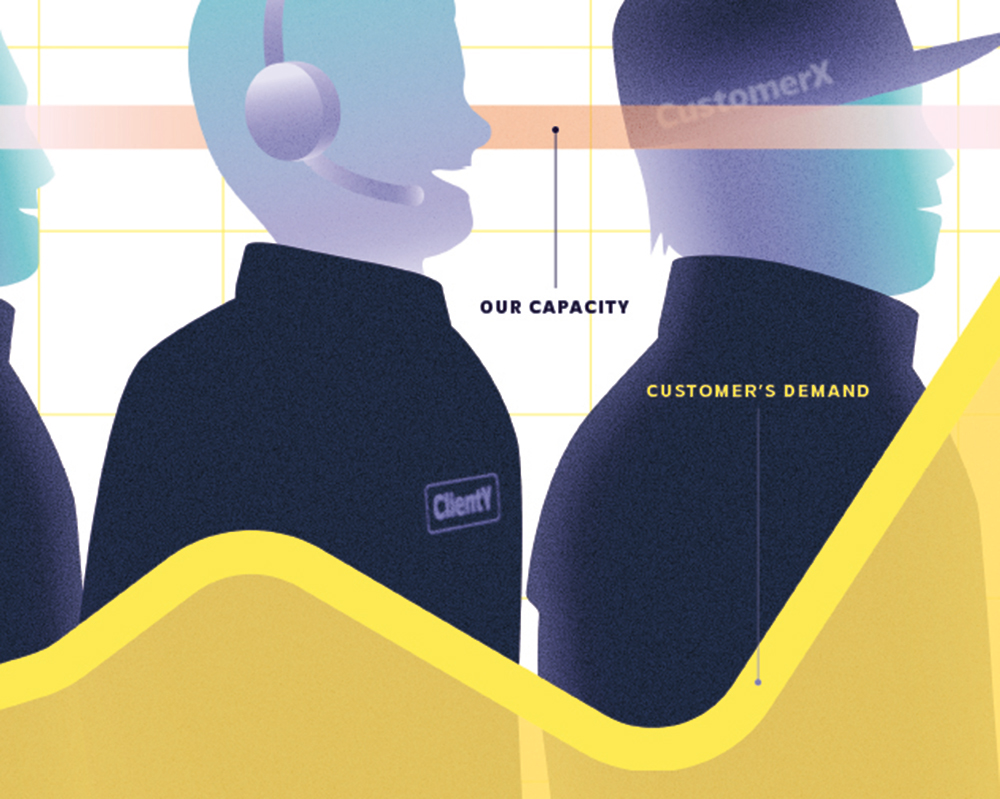
Within five years, Prohoc aims to operate Global Field Services with a capacity of around 500 people, serving leading technology companies in the energy, marine and process industries.
Thirty years of showing up
Prohoc has spent three decades placing skilled people on industrial sites across more than a hundred countries. Global Field Services grows from that same foundation, now focused on servicing and maintaining the equipment that keeps the world running.
Kimmo Kohtamäki, CEO, has built service businesses across major companies and multiple markets. He recognised a recurring pattern: customers had attractive contracts in place but struggled to organise the actual work across different locations. That gap has always been there. Now Prohoc is built to close that gap.
The service opportunity OEMs can’t afford to miss
Nordic industrial technology companies have delivered hundreds of billions of euros worth of equipment to the world over recent decades. Every turbine, engine, boiler and propulsion system installed at a power plant, on a vessel or at a process facility represents a long-term service need.
The global field service market currently stands at around 35 billion dollars and is projected to reach 55 billion by 2030. For OEMs, after-sales service offers long-term agreements, predictable revenue and strong margins. Yet capturing that opportunity is not straightforward. Skilled technicians are increasingly difficult to find, travel costs are rising and compliance requirements are tightening. And in markets where OEMs lack a local presence, service delivery often depends on third-party providers, with limited control over quality and customer experience.
“The amount of equipment already out there is enormous, but much of it is still serviced without consistent standards or in a way that fully supports the OEM’s position. That’s the gap we’re stepping into,” say Kimmo Kohtamäki at Prohoc.